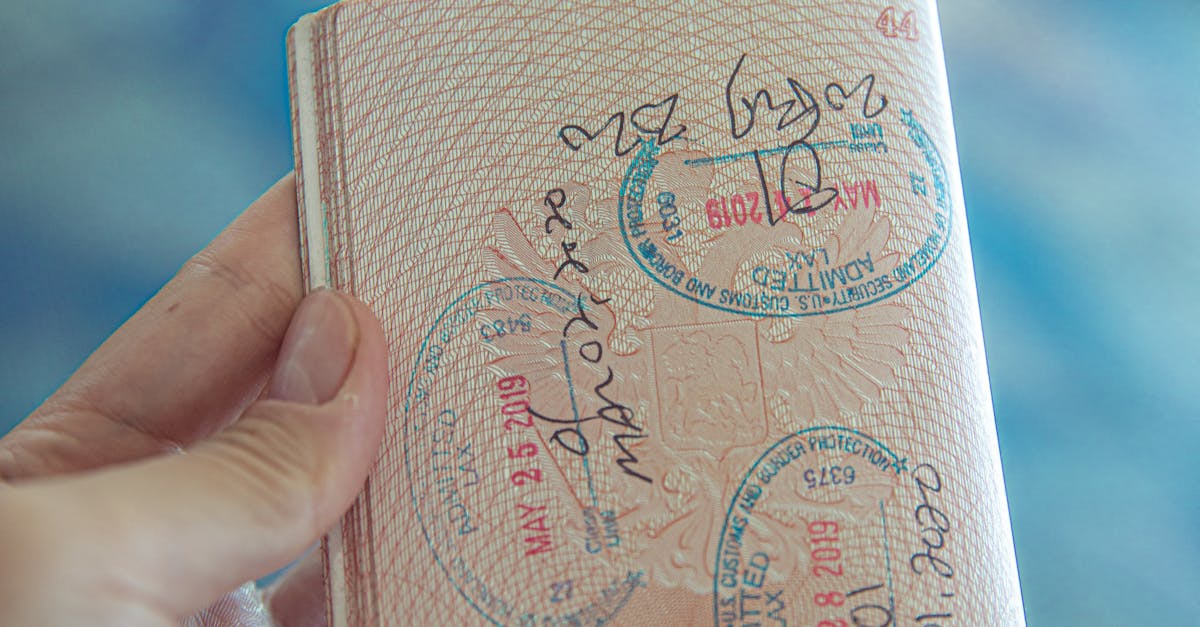
Eligibility Criteria for Permanent Residency Visas
Table Of Contents
Health and Character Requirements
When applying for a permanent residency visa, health and character are critical considerations. Applicants must undergo a thorough health examination, which typically includes medical assessments, chest X-rays, and possibly additional tests. These evaluations ensure that individuals do not pose a health risk to the Australian community. Additionally, applicants must demonstrate that they have good character, often verified through a police clearance certificate. This requirement helps maintain the safety and wellbeing of the country while ensuring that those seeking residency uphold the law.
The health examination process is designed to identify any medical conditions that could demand extensive healthcare resources or pose a public health risk. Background checks assess an applicant's criminal history and any past misconduct. Failing to meet these health and character requirements can significantly hinder the application process and may lead to a denial of the residency visa. It is essential for applicants to prepare adequately for these evaluations and understand their importance in the overall assessment of their eligibility.
Health Examinations and Background Checks
Health examinations are a crucial part of the application process for permanent residency visas in Australia. All applicants are required to undergo a medical examination conducted by an approved panel physician. The purpose of this examination is to assess physical health and identify any medical conditions that may pose a risk to public health or safety. Specific requirements may vary based on age and individual circumstances.
Background checks are equally significant in evaluating an applicant’s suitability for permanent residency. Authorities conduct thorough checks to ensure that applicants do not have a significant criminal history. This process involves assessing police records from home countries and any countries the applicant has resided in for more than 12 months over the last ten years. Compliance with health and character requirements is essential in the review of an application.
Employment Status
Employment status is a critical factor in assessing eligibility for permanent residency visas. An applicant's work situation can significantly influence their application. Those who are currently employed in an occupation that is on the relevant skills list may find their chances of approval enhanced. Demonstrating consistent employment can also indicate financial stability, which immigration authorities often consider favourably.
Having a valid job offer in Australia may also play a substantial role in the assessment process. An employer-sponsored visa could be an option for individuals in skilled professions. In these cases, a confirmed position not only strengthens an application but sometimes speeds up the processing time. Overall, securing employment within Australia can serve as a strategic advantage for those seeking residency.
The Role of Job Offers in Applications
Having a valid job offer can significantly strengthen a permanent residency visa application. Employers often play a crucial role in this process, as they can endorse applicants through specific pathways designed to attract skilled workers. A job offer not only demonstrates demand for the applicant’s skills but also highlights their potential contributions to the Australian economy.
Certain visa categories place greater emphasis on job offers, particularly those aimed at skilled migrants. In these cases, securing a position in a shortage occupation can enhance the likelihood of a successful application. An applicant may find that an employer's support can expedite processing times and provide additional assurance to immigration authorities regarding the applicant's suitability for long-term residence.
Family Sponsorship
A crucial aspect of obtaining a permanent residency visa lies in family sponsorship. This pathway allows Australian citizens and permanent residents to support their family members in their quest for residency. Eligible sponsors must ensure they meet specific criteria, such as having a stable financial situation and being of good character. The system aims to reunite families while also ensuring that the sponsors can provide adequate support to their relatives once they arrive.
When applying for family-based visas, applicants must undergo a thorough assessment. This includes demonstrating their relationship to the sponsor, which may involve providing documentation like birth certificates, marriage certificates, or proof of a de facto relationship. Additionally, certain family members, such as partners, children, or parents, typically have priority in the sponsorship process. These requirements help maintain the integrity of the immigration system while promoting family unity in Australia.
Requirements for Family-Based Applications
Family-based applications for permanent residency often require specific documentation to verify the relationship between the applicant and their sponsor. It is essential for the applicant to provide evidence such as birth certificates, marriage certificates, or adoption papers. These documents must establish a genuine relationship that meets the criteria set by immigration authorities. In addition to these documents, both the applicant and the sponsor must demonstrate adequate financial stability to support the application.
Sponsorship usually entails that the sponsoring family member takes on certain obligations. This includes a commitment to financially support the applicant and ensure they do not rely on government assistance. Additionally, the sponsor must be a citizen or permanent resident of Australia. The application process will also assess whether the relationship is enduring and genuine, reflecting the importance of supporting evidence in successfully navigating family sponsorship pathways.
FAQS
What are the health requirements for obtaining a permanent residency visa?
Applicants must undergo health examinations to ensure they do not have any medical conditions that could pose a significant cost to the Australian healthcare system or affect public health.
How are character requirements assessed for permanent residency?
Character requirements are evaluated through background checks, including criminal history checks, to ensure applicants have a good character and do not pose a security risk to the community.
Does having a job offer improve my chances of getting a permanent residency visa?
Yes, a valid job offer can strengthen your application. It demonstrates your ability to contribute to the Australian economy and may fulfill certain eligibility criteria.
Can I apply for permanent residency through family sponsorship?
Yes, if you have a family member who is an Australian citizen or permanent resident, they can sponsor you for a permanent residency visa, provided you meet the specific requirements for family-based applications.
What documentation is needed for family-based permanent residency applications?
Applicants typically need to provide proof of their relationship to the sponsor, identity documents, and any relevant evidence to support their application, such as marriage or birth certificates.
Related Links
Key Documents Required for Permanent Residency ApplicationsUnderstanding the Permanent Residency Process in Melbourne
Navigating the Health and Character Requirements for Permanent Residency
Factors Affecting Permanent Residency Approval Rates
Timeline and Expectations for Permanent Residency Visas
Common Challenges in the Permanent Residency Application Process
The Role of a Visa Agent in Securing Permanent Residency